

Master Effective Tree Pruning Techniques for Healthy Growth: A Homeowner’s Guide
Selective branch removal, known as effective tree pruning techniques, directly promotes healthy growth, reduces disease risk and enhances structural integrity. Homeowners often struggle with overgrown canopies, weak branch unions and pest-infected limbs that compromise safety and curb appeal. This guide defines core pruning methods, outlines optimal timing in Orlando’s climate, profiles essential tools and highlights when to enlist professional arborist services. Along the way, readers will discover how crown thinning, raising, reduction and structural pruning work, learn the best pruning seasons, review tool and safety requirements, assess homeowner benefits and understand when certified arborist expertise is indispensable.
What Are the Most Effective Tree Pruning Techniques for Healthy Growth?
Effective tree pruning techniques involve removing specific branches to improve canopy architecture, airflow and light penetration. Precise cuts at the branch collar and balanced canopy reduction strengthen branch unions and limit pest and pathogen entry. Core methods include:
- Crown Thinning to open the canopy and reduce wind resistance.
- Crown Raising to improve clearance and visibility under the canopy.
- Crown Reduction to decrease overall canopy size and weight.
- Structural Pruning to establish strong framework in young trees.
Each method addresses a unique structural need and collectively ensures balanced growth, improved resilience and extended lifespan for landscape trees.
What Is Crown Thinning and How Does It Improve Tree Health?
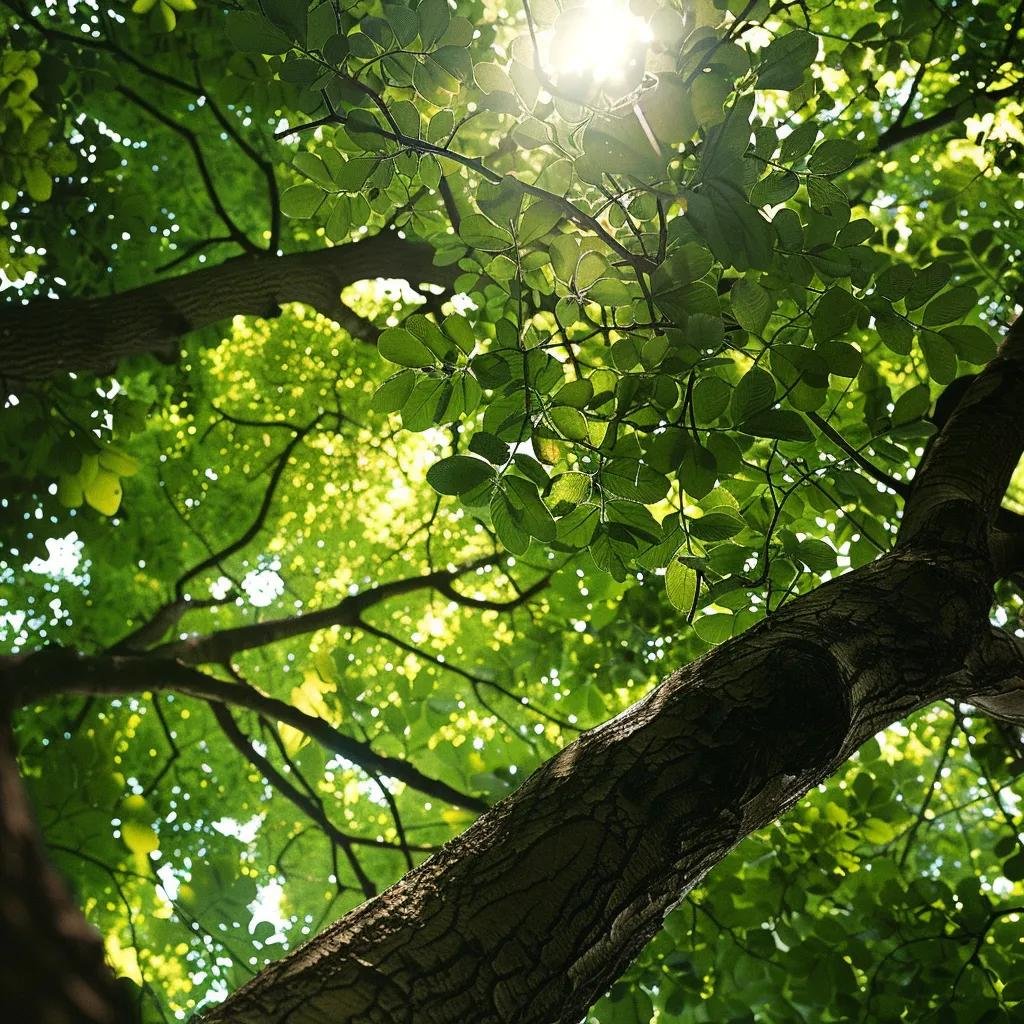
Crown thinning selectively removes inner branches to enhance light distribution and air circulation, reducing fungal growth and storm damage.
By eliminating crossing or rubbing limbs, crown thinning relieves weight stress on major scaffold branches and prevents decay.
Homeowners benefit from a more open canopy that supports vigorous leaf development and lowers long-term maintenance costs.
Benefits of Crown Thinning
Crown thinning improves tree health by increasing light penetration and air circulation within the canopy. This practice reduces the risk of fungal diseases and storm damage by removing crossing or rubbing branches, which can lead to decay and stress on the tree’s structure.
Harris, R. W., Clark, J. R., & Matheny, N. P., Arboriculture: Integrated Management of Landscape Trees, Shrubs, and Vines (2004)
This research supports the article’s claims about the positive effects of crown thinning on tree health and structural integrity.
How Does Crown Raising Enhance Tree Structure and Safety?
Crown raising lifts the lower canopy by pruning lower limbs, creating safe clearance for vehicles, pedestrians and structures. This technique reduces collision hazards and improves sightlines around driveways and walkways. Elevated branches also allow lawn equipment to operate beneath the canopy without causing bark injury, promoting tree health and homeowner safety.
When Should You Use Crown Reduction for Tree Maintenance?
Crown reduction shortens overextended leaders and secondary branches to manage height, protect utility lines and restore proportions after storm damage. This method is ideal when a tree’s height or spread encroaches on buildings or wiring.
Proper reduction limits branch weight and improves structural form, preventing splits and bark tears in mature specimens.
What Is Structural Pruning and Why Is It Important for Young Trees?
Structural pruning trains young trees to develop a strong central leader and well-spaced scaffold branches, reducing future risk of weak crotches and split limbs. Early removal of co-dominant stems and crossing branches establishes optimal branch angles, ensuring long-term stability and reducing corrective pruning needs as the tree matures.
Importance of Structural Pruning
Structural pruning is crucial for young trees, as it establishes a strong central leader and well-spaced scaffold branches. This early intervention reduces the likelihood of weak crotches and split limbs as the tree matures, ensuring long-term stability and minimizing the need for extensive corrective pruning later on.
Shigo, A. L., A New Tree Biology: Facts, Photos, and Philosophies (1992)
This citation reinforces the article’s emphasis on the importance of structural pruning for the long-term health and safety of trees.
When Is the Best Time to Prune Trees in Orlando for Optimal Growth?
Pruning schedules in Orlando must align with tree physiology and flowering cycles to minimize stress and maximize wound closure. Local timing recommendations vary by species and climate conditions:
| Season | Timing | Typical Application |
|---|---|---|
| Dormant Season | Late winter–early spring | Heavy structural cuts and corrective pruning |
| Post-Bloom | After flowering finishes | Minor shaping of flowering and fruit trees |
| Avoid Fall & Summer | Heat-stress periods | Prevents sunscald, excessive sap loss and pest entry |
Selecting the right season reduces disease transmission, encourages robust bud break and preserves ornamental blooms.
Why Is Dormant Season Pruning Ideal for Most Trees?
Dormant season pruning occurs before new growth emerges, minimizing sap flow, reducing pest attraction and enabling clear branch visibility. Pruning during cold months allows wounds to callus quickly as growth resumes, supporting stronger tissue regeneration and limiting dieback.
Can You Prune Flowering and Fruit Trees After Bloom?
Yes, pruning flowering and fruit trees immediately after bloom preserves bud sites for the next season while removing spent flowers and diseased wood. This timing maintains peak bloom display and supports fruit set without compromising next spring’s blossoms.
What Pruning Practices Should Be Avoided in Fall and Summer?
Pruning in fall or summer can expose fresh cuts to extreme heat, encourage excessive sap loss and attract borers or wood-boring insects. Summer topping removes foliage needed for shade protection, while fall pruning delays wound closure and increases frost damage risks.
What Essential Tools Do You Need for Safe and Effective Tree Pruning?
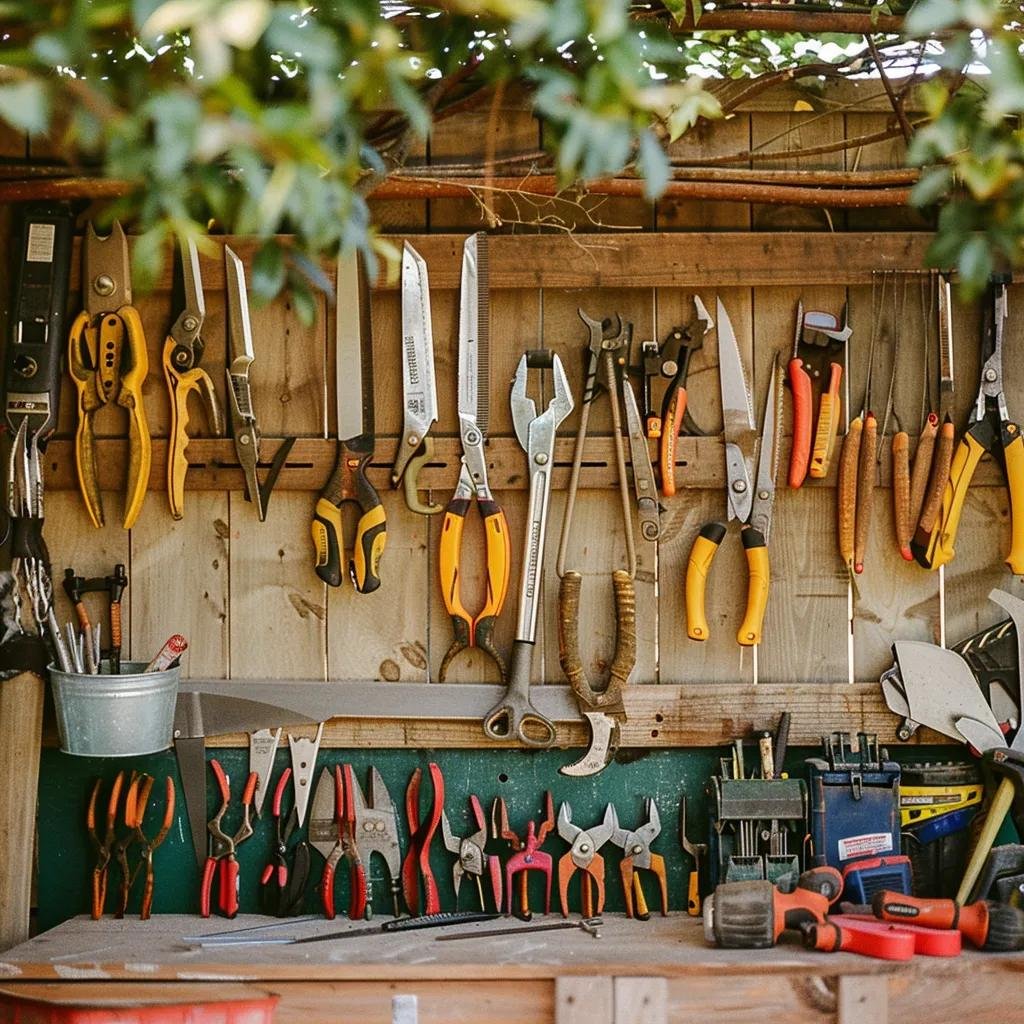
Homeowners require the right equipment to execute precise cuts and safeguard their well-being. The following table outlines essential pruning tools:
| Tool | Primary Function | Typical Branch Size |
|---|---|---|
| Pruning Shears | Trimming shoots and small stems | Up to ¾ inch diameter |
| Loppers | Cutting medium limbs | 1–2 inch diameter |
| Pruning Saw | Removing larger branches | Over 2 inch diameter |
How to Use Pruning Shears, Loppers, and Saws Correctly?
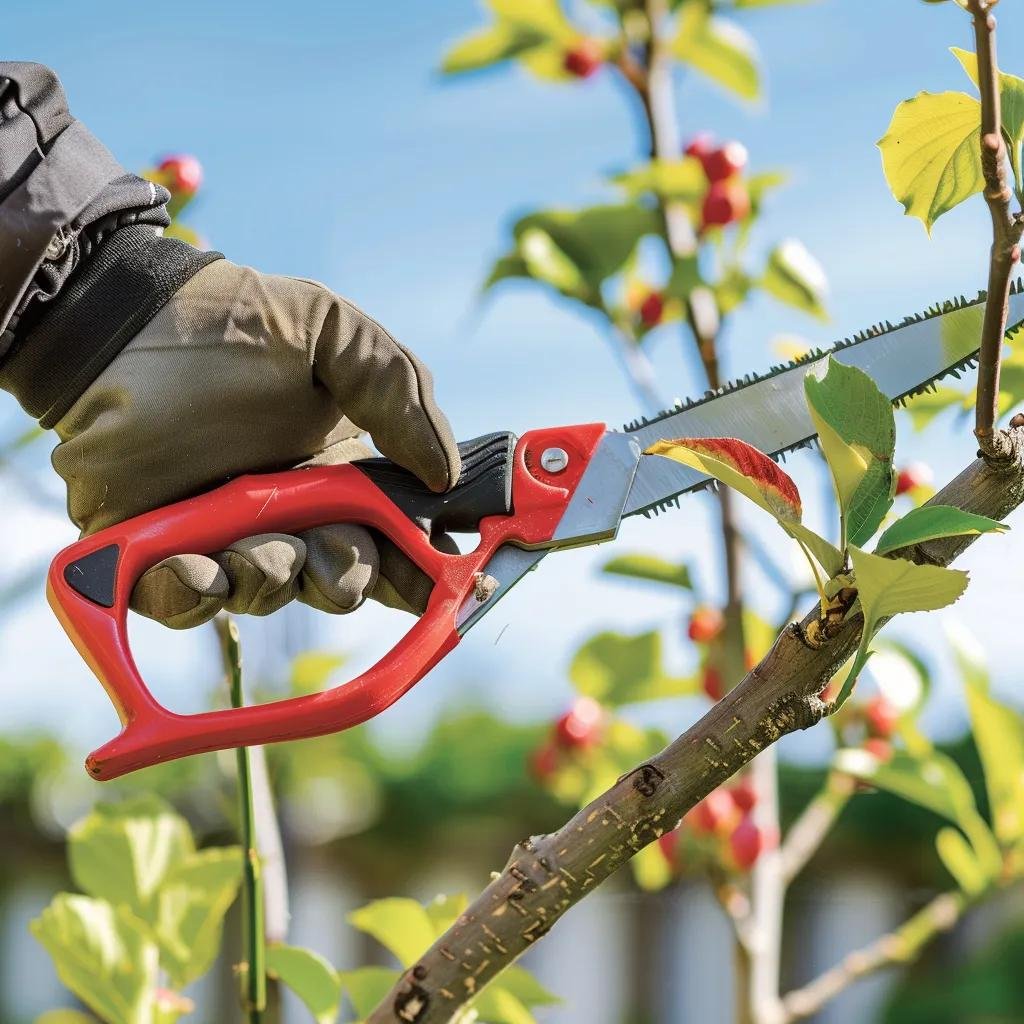
Pruning tools should be positioned for three-cut techniques on larger limbs: an undercut, a top cut and a final collar cut to prevent bark tearing. Shears and loppers require sharp, bypass blades for smooth slices just outside the branch collar; saws must be pulled gently to maintain control and avoid ragged cuts.
What Safety Gear Is Recommended for Homeowners Pruning Trees?
Homeowners should wear safety glasses, gloves, hard hats and sturdy footwear to guard against falling debris and sharp tools. A secure ladder or pole pruner with non-slip grips ensures stable access to higher limbs while minimizing fall risk.
What Are the Key Benefits of Proper Tree Pruning for Homeowners?
Pruning delivers measurable returns in tree performance, landscape safety and property appeal:
- Enhanced Tree Health and Disease Prevention
- Strengthened Structural Integrity and Reduced Hazard Potential
- Increased Property Value and Aesthetic Appeal
These benefits translate into healthier investment trees that complement home exteriors and lower long-term maintenance budgets.
How Does Pruning Improve Tree Health and Disease Prevention?
By removing deadwood, infected branches and crossing limbs, pruning disrupts disease cycles and prevents pest colonization. Improved airflow inhibits fungal growth, while healthy branch unions reduce rot entry points.
In What Ways Does Pruning Enhance Structural Integrity and Safety?
Selective trimming balances crown weight distribution, reduces wind sail effect and eliminates weak branch attachments. Well-pruned trees stand up better to storms, safeguarding homes and landscapes from falling limbs.
How Can Pruning Increase Property Value and Aesthetic Appeal?
Shaped canopies frame architectural features and open vistas, elevating curb appeal. Pruned trees exhibit lush foliage, vigorous growth and defined silhouettes that attract buyers and boost real estate valuations.
When Should You Hire a Certified Arborist for Tree Pruning in Orlando?
Engaging an ISA Certified Arborist is essential when pruning requires technical expertise, specialized equipment or risk management. For comprehensive local support, homeowners often trust providers like Daytona Tree Service – Volusia Tree Care for advanced pruning and full-service tree care.
What Are the Advantages of Using ISA Certified Arborists?
ISA Certified Arborists possess authoritative knowledge of tree biology, proper pruning cuts and safety standards. Their credentials ensure compliance with industry best practices, minimizing liability and maximizing tree health outcomes.
How Do Professional Arborists Perform Structural and Advanced Pruning?
Arborists use aerial lifts, pole pruners and calibrated cutting tools to execute structural pruning, crown restoration and corrective branch removal. Their expertise in weight-reduction techniques and branch collar identification preserves tree vitality and form.
When Is Professional Pruning Necessary to Prevent Tree Damage?
Professional pruning is necessary for large-diameter limb removal, high-elevation work near power lines and corrective measures on heritage or high-value trees. Risk assessments by certified experts prevent property damage, personal injury and irreversible tree stress.
Tree pruning is an investment in landscape health, safety and value. By mastering effective techniques, timing cuts appropriately and utilizing the right tools, homeowners can nurture resilient, attractive trees. When tasks exceed DIY scope, certified arborists ensure precision, efficiency and unmatched long-term results.
At Volusia Bobcat & Tree Service, our certified arborist team knows that healthy trees start with the right approach to tree trimming and shrubs pruning. We don’t just offer basic tree service — we apply proven pruning techniques and make careful pruning cuts to encourage growth, shape, and long-term strength. From pruning young trees to restoring mature landscapes, we emphasize proper pruning and proper tree care for every project.
Our crew is here to provide practical tree care tips, safe tree removal when needed, and ongoing trimming and maintenance that keeps your property beautiful and safe. Whether you’re focused on pruning trees for aesthetics or protecting your home with professional tree care, Volusia Bobcat & Tree Service delivers the experience and results you can count on.