

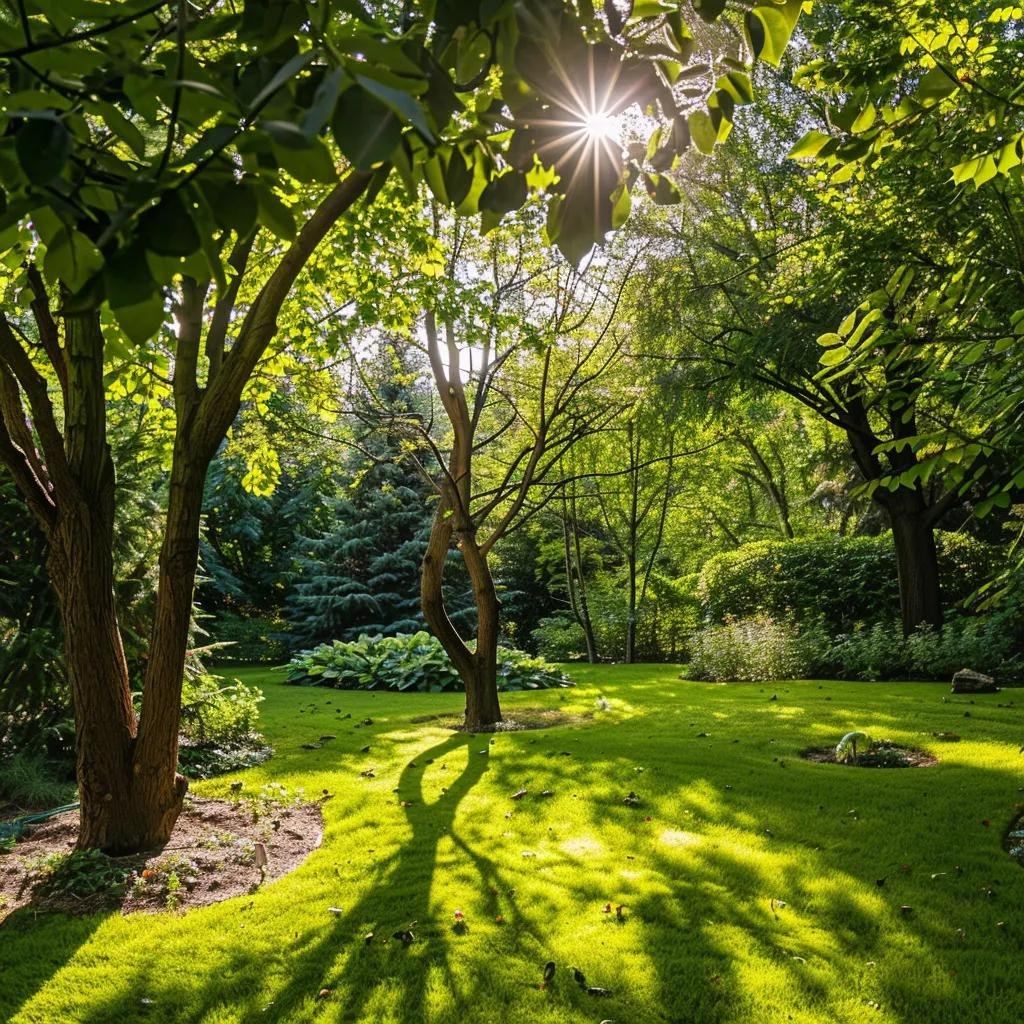
How Local Tree Pruning Services Enhance Your Yard’s Health, Safety, and Value
Professional local tree pruning services deliver targeted branch removal and canopy management to improve tree health, boost curb appeal, increase property value, and reduce safety risks. Homeowners benefit from expert techniques—from deadwooding to crown reduction—timed for optimal recovery and performed by ISA certified arborists. This article explores five key themes: the benefits of professional pruning, specialized techniques, seasonal timing, the value of certified arborists, and cost considerations for local tree pruning services.
What Are the Key Benefits of Professional Local Tree Pruning?
Professional local tree pruning selectively removes unhealthy limbs to stimulate growth, enhance structure, and mitigate hazards while promoting overall landscape beauty.
Before examining individual techniques, consider these primary advantages:
- Professional pruning improves longevity by removing diseased or overcrowded branches to reduce decay and pest risks.
- Expert canopy shaping elevates yard aesthetics and harmonizes tree form with architectural elements.
- Well-maintained trees add measurable property value, often increasing home worth by 3–5 percent.
- Safe removal of weak limbs reduces the chance of falling debris and protects residents and structures.
These benefits create a healthier, more attractive yard and pave the way for choosing the right pruning methods.
How Does Tree Pruning Improve Tree Health and Longevity?
Tree pruning improves tree health by removing deadwood and diseased limbs, which prevents decay spread and encourages new, vigorous growth. By cutting away compromised tissue, arborists channel the tree’s resources into healthy branches and root development, laying the groundwork for stronger structure and extended life.
In What Ways Does Pruning Enhance Yard Aesthetics and Curb Appeal?
Pruning shapes the canopy to create balanced proportions and open sightlines, which elevates visual harmony and complements landscape design. This precise trimming highlights foliage density and seasonal blooms, setting a polished tone that enhances overall curb appeal.
How Can Tree Pruning Increase Your Property Value?
Strategic pruning increases property value by improving curb appeal, ensuring tree health, and preventing damage from overgrown limbs. Well-maintained trees can add 3–5 percent to home worth, making professional pruning an investment that often pays for itself in market appraisals.
Property Value Enhancement through Tree Pruning
Strategic tree pruning can significantly increase property value by improving curb appeal and ensuring tree health. Well-maintained trees often add to a home’s worth, making professional pruning a worthwhile investment.
Watson, G. W., & Himelick, E. B., Principles and Practice of Planting Trees and Shrubs (2013)
This research supports the article’s claim that tree pruning can increase property value.
How Does Pruning Promote Safety in Your Yard?
Pruning reduces the risk of falling branches by removing weak or overextended limbs, ensuring a safer environment for residents and visitors. Clearing hazard-prone areas beneath the canopy minimizes property damage and personal injury, supporting a protected outdoor space.
What Types of Tree Pruning Techniques Are Used to Enhance Your Yard?
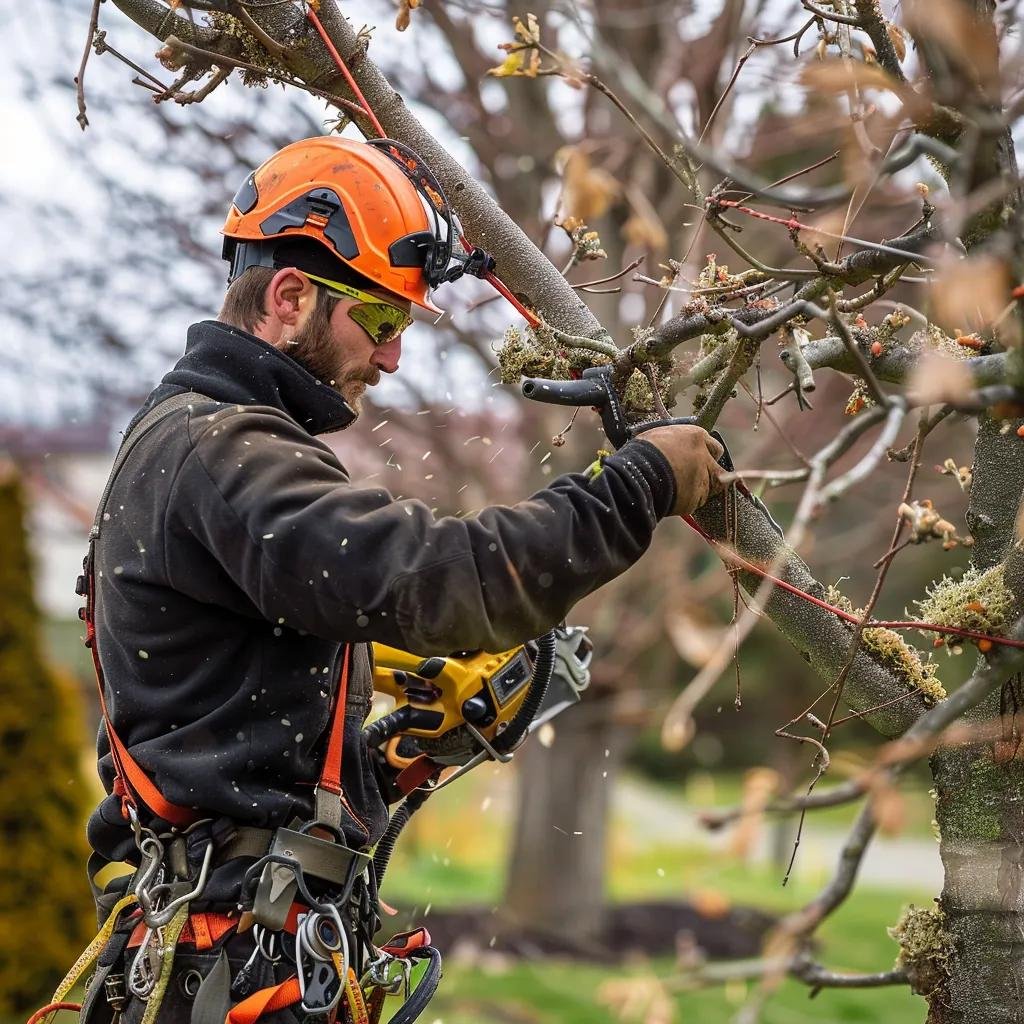
Tree pruning techniques range from removing deadwood to reducing canopy size, each designed to optimize structure, health, and clearance for residential landscapes.
| Technique | Attribute | Value |
|---|---|---|
| Deadwooding | Purpose | Removes dead or dying branches to prevent decay and hazards |
| Crown Thinning | Benefit | Increases light penetration and air circulation for vigor |
| Crown Lifting | Function | Raises lower canopy to clear walkways and structures |
| Crown Reduction | Application | Reduces canopy dimensions to control size and balance weight |
What Is Deadwooding and How Does It Benefit Tree Health?
Deadwooding is the removal of dead, dying, or diseased branches, which stops decay spread and enhances structural integrity. Eliminating these limbs directs the tree’s energy into healthy growth and reduces pest infestation.
How Does Crown Thinning Improve Sunlight Penetration and Airflow?
Crown thinning selectively removes internal branches to allow more sunlight and airflow. This targeted reduction boosts photosynthesis, dries foliage more quickly after rain, and lowers fungal disease risks.
What Are the Advantages of Crown Lifting for Yard Clearance?
Crown lifting raises the lower branches by cutting upward, providing clearance for buildings, pedestrians, and equipment. By elevating the canopy, arborists prevent contact damage and create safer passage beneath trees.
How Does Crown Reduction Help Manage Tree Size and Shape?
Crown reduction shortens branch length and canopy height, controlling overall size and redistributing weight. This method prevents oversized canopies from overwhelming small yards and reduces wind damage potential.
When Is the Best Time to Schedule Tree Pruning for Optimal Yard Enhancement?
Seasonal timing aligns pruning with tree growth cycles, maximizing healing and minimizing stress.
| Tree Type | Ideal Season | Rationale |
|---|---|---|
| Deciduous Oaks | Late Winter | Dormant cuts heal without sap loss |
| Flowering Trees | Late Spring | Post-bloom pruning preserves blossoms |
| Fruit Trees | Early Spring | Stimulates fruit bud development |
What Are the Ideal Pruning Seasons for Different Tree Types?
Most hardwoods benefit from dormant-season pruning in late winter to early spring, while flowering species are best trimmed immediately after bloom to protect floral displays and avoid sap loss during active growth.
How Does Seasonal Pruning Affect Tree Health and Growth?
Pruning during dormancy reduces sap flow and stress, leading to cleaner wounds and vigorous spring growth, whereas pruning in the growing season can stimulate new shoots and enhance canopy shape when timed correctly.
When Should Emergency or Safety-Driven Pruning Be Performed?
Emergency pruning is required after storm damage, breakage, or structural failure to remove hazardous limbs immediately. Prompt action prevents further injury and property damage, maintaining a secure environment.
Why Should You Hire an ISA Certified Arborist for Local Tree Pruning Services?
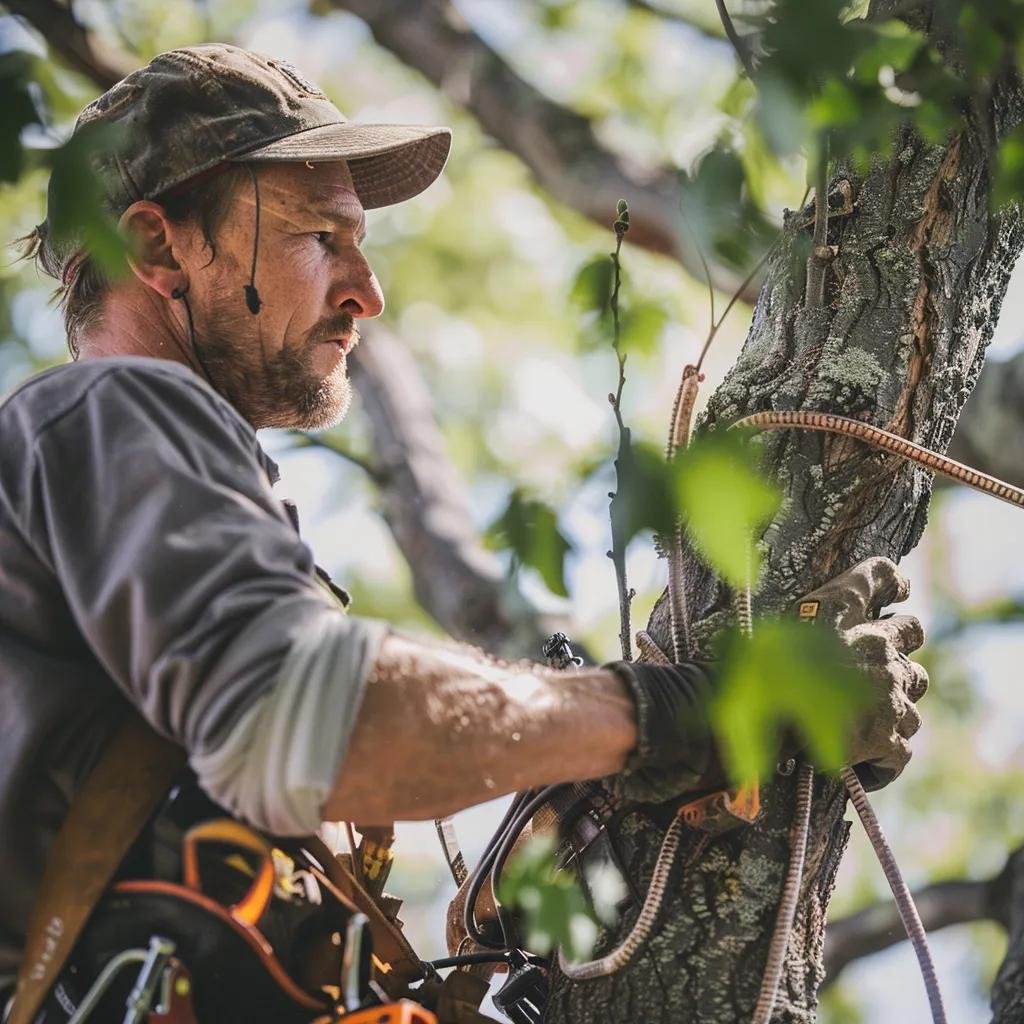
Hiring an ISA certified arborist ensures that a qualified professional with recognized credentials applies industry-standard pruning methods safely and effectively.
- ISA certification confirms extensive training in tree biology, safety protocols, and ethics.
- Certified arborists use proper equipment and rigging to minimize risk and prevent property damage.
- Local experts understand regional species, soil conditions, and municipal regulations.
- Insured professionals provide reliable service and free site assessments, reducing homeowner liability.
Benefits of Hiring Certified Arborists
Hiring an ISA-certified arborist ensures that a qualified professional applies industry-standard pruning methods safely and effectively. Certified arborists possess extensive training in tree biology, safety protocols, and ethics, leading to superior pruning outcomes.
International Society of Arboriculture, Certified Arborist Study Guide (2022)
This citation reinforces the article’s emphasis on the importance of using certified arborists for tree pruning services.
Choosing certified expertise delivers consistent quality, compliance, and peace of mind.
What Qualifications and Expertise Do Certified Arborists Bring?
ISA certified arborists demonstrate mastery of tree care principles through rigorous exams, continuing education, and adherence to ethical standards, ensuring superior pruning outcomes.
How Does an Arborist Ensure Safe and Effective Pruning?
Arborists develop a pruning plan based on tree health assessments, then use safety gear, climbing techniques, and rigging systems to execute precise cuts that support structural integrity and minimize hazards.
What Are the Benefits of Choosing Local Certified Arborists?
Local certified arborists offer rapid response times, familiarity with native species, and established community reputation. Their regional knowledge ensures tailored care and compliance with local ordinances.
How Much Do Local Tree Pruning Services Cost and What Influences Pricing?
- Small trees (under 20 ft) typically cost $100–$300.
- Medium trees (20–40 ft) range from $300–$600.
- Large specimens (over 40 ft) can reach $600–$1,000 or more.
Factors influencing cost include trunk diameter, canopy density, proximity to structures, emergency service, and debris removal requirements.
For a no-obligation estimate, homeowners can schedule a free assessment through our local tree pruning services page.
Healthy, well-pruned trees offer lasting benefits that justify the investment.
Professional pruning forms the cornerstone of a safe, attractive landscape. By selecting the right techniques, timing services correctly, and trusting ISA certified arborists, homeowners secure the maximum return on their tree care investment. Request a free estimate today to enhance your yard’s health, safety, and value.